
Article -> Article Details
| Title | Hand Block Print Fabric – Why Artisan Cotton Textiles Are Making a Global Comeback |
|---|---|
| Category | Humanities Arts --> Crafts |
| Meta Keywords | hand block print fabric, block print cotton, Indian textiles, artisan fabric, Jaipur block printing |
| Owner | Rahul Kumar |
| Description | |
| The global appetite for handmade goods is not a trend born of nostalgia. It is a rational response to decades of mass production — the recognition that objects made by human hands possess qualities that industrial processes, however efficient, simply cannot manufacture. Hand block print fabric is one of the clearest examples of this principle in action. It is experiencing a genuine international revival, and the reasons reach from aesthetics to ethics to ecology. 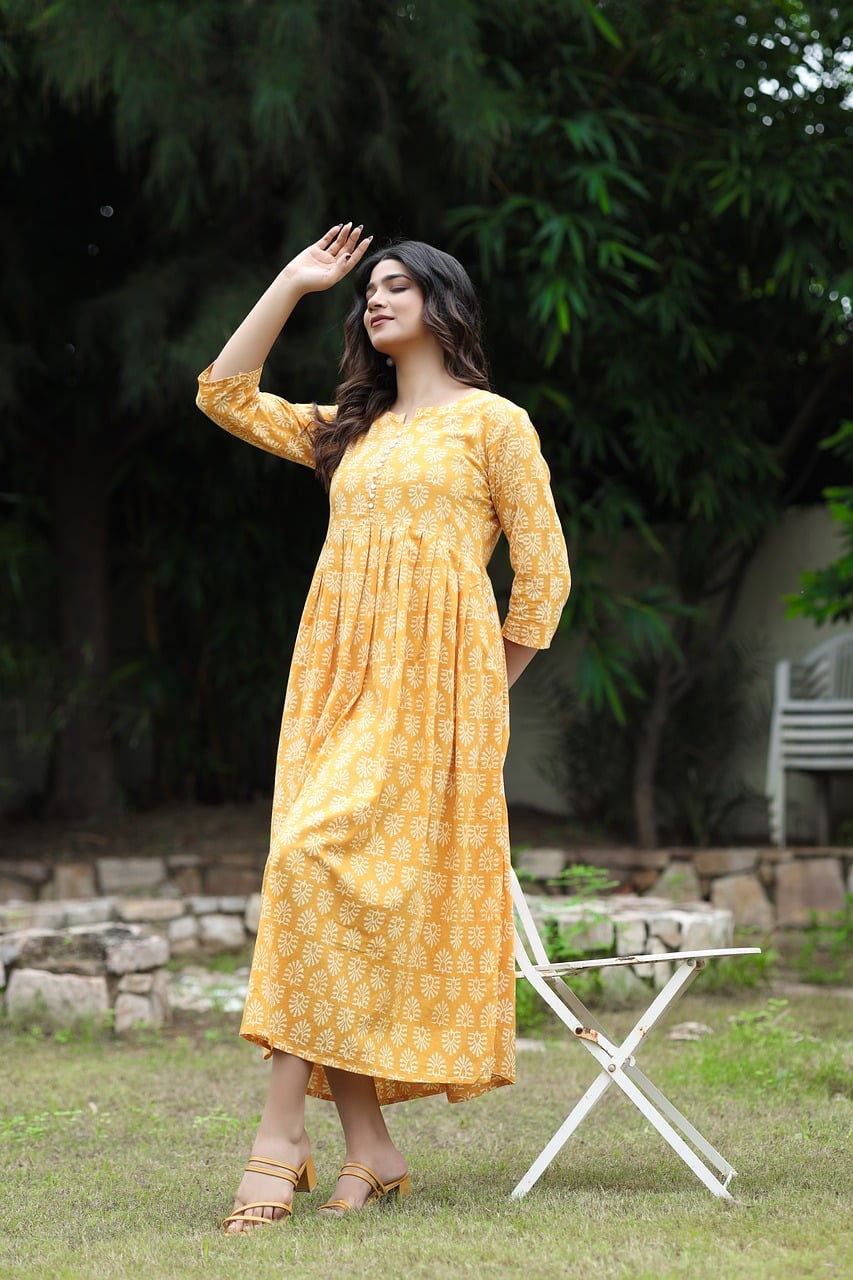 The Global Demand Shift Driving Block Print's RevivalFor most of the twentieth century, block printing occupied a niche position — celebrated in academic textile circles and sold at specialist craft shops, but largely absent from mainstream fashion and home décor markets. That has changed decisively over the past decade. The slow fashion movement, driven by mounting awareness of textile industry waste, has directed consumer attention toward handmade and artisan textiles. Pinterest boards, Instagram reels, and global design publications feature block print cotton fabric with growing regularity. Interior designers specify it for hospitality projects from London hotels to New York boutiques. Fashion designers use it as a base cloth for collections that want both visual richness and an ethical story to tell buyers and press. The result has been meaningful economic impact in the communities that make the fabric. Jaipur's block printing clusters, which had contracted during the synthetic fabric boom of the 1980s and 90s, are seeing renewed investment in training new artisans and documenting traditional patterns at risk of disappearing. What Defines Quality in Hand Block Print FabricNot all hand block print fabric is equal, and understanding what separates premium from mediocre production helps buyers make informed choices. The quality of the cotton base matters enormously. Counts between 60 and 120 threads per inch produce fabric that is fine enough to drape well without being fragile. Fabric with lower thread counts feels rough and does not accept dye evenly. Fabric with excessively high counts can feel stiff before washing and may not show the print with appropriate clarity. The wooden blocks themselves are a quality indicator. Well-crafted printing blocks are made from seasoned teak or shisham wood, carved with precision, and regularly maintained. Worn or poorly made blocks produce prints with blurred edges and inconsistent dye coverage. Premium hand block printed cotton fabric is printed with blocks that are in good working order and replaced when they degrade. Dye fixation is the third variable. Properly fixed dyes — whether natural or reactive — should withstand multiple washes without significant colour shift. The first wash of a new block print piece will always release a small amount of residual dye, but subsequent washes should show minimal change. If colour runs significantly after the third or fourth wash, the dye was poorly fixed at the source. Practical Applications – What Can You Make with Block Print CottonThe versatility of this hand block print fabric is one of its most important commercial and creative assets. Unlike heavily structured or technical textiles, block print cotton can be cut and constructed with standard sewing equipment by makers of intermediate skill. For clothing, the fabric suits everything from lightweight summer dresses and blouses to heavier-weight shirts and co-ord sets. The prints — typically floral, paisley, geometric, or animal motif — work across both ethnic and contemporary silhouettes. A block print blouse works equally well with tailored trousers for an urban daytime look as it does with wide-leg linen pants for a resort wardrobe. In home décor, block print cotton has no peer for soft furnishing applications. Cushion covers, bed throws, table runners, napkins, and light curtain panels all benefit from the handmade warmth and visual complexity that block printing delivers. The fabric's texture and slight irregularity read as luxury in high-end interior contexts, where machine uniformity has come to feel cold and generic. Sustainability and Artisan Support — the Full PictureBeyond aesthetics, hand block print fabric represents one of the most sustainable textile options available to contemporary consumers. The production process requires no industrial machinery, no synthetic printing pastes in traditional applications, and minimal water compared to wet-process dyeing techniques used in mass market fabric manufacturing. The carbon footprint of a length of block print cotton fabric is significantly lower than equivalent machine-printed fabric, particularly when the cotton is grown in India's established organic cotton regions. Transport distances are shorter for international buyers purchasing directly from Jaipur-based suppliers, reducing import-stage emissions compared to sourcing from vertically integrated global factories. Identifying Authentic Hand Block Print Fabric – A Buyer's Quick ReferenceAs demand for block print textiles has grown, so has the volume of machine-simulated imitations — digitally printed fabrics that mimic the look of hand block printing without the artisan investment. Knowing how to distinguish authentic hand block print fabric from machine simulations protects buyers from paying handcraft prices for industrial product. The most reliable indicator is slight visual irregularity. In authentic hand block print fabric, consecutive pattern repeats will show micro-variations — the ink density may differ slightly from one impression to the next, the alignment between repeats is very close but not mathematically perfect, and the edges of motifs may show slight bleeding or softness depending on the dye viscosity at the moment of printing. Machine digital prints are perfectly uniform, with identical ink density and flawless repeat alignment throughout. Feel is the second indicator. Hand block print fabric on quality cotton has a slightly uneven surface texture from the physical impression of the block — a subtle embossing that machine printing cannot reproduce. Running your hand across the printed surface of authentic block print cotton, you can often feel the raised and recessed areas where the block edge pressed harder than the centre. Conclusion – Block Print Cotton and the Future of Conscious TextilesThe revival of hand block print fabric is not a moment of retro fashion nostalgia — it is a structural shift in how designers, makers, and consumers think about what textiles should be and where they should come from. As awareness of fashion's environmental impact grows, the demand for fabrics that are hand-made, honestly produced, and ecologically rational will only strengthen. Shivalaya Jaipur brings Jaipur's finest hand block print cotton fabrics to buyers worldwide, sourced directly from the artisan communities that have perfected this craft across generations. Whether you need fabric for a garment project, a home décor commission, or simply want to own something beautiful that carries genuine cultural heritage, their range offers quality and authenticity that machine production cannot match. To enquire about available designs, minimum quantities, or custom orders, contact us — their team is ready to assist you. | |