Article -> Article Details
| Title | Hard Water at Home? Here Is What Really Happens to Your Bathroom Basin |
|---|---|
| Category | Business --> Business and Society |
| Meta Keywords | Quartz Wash Basin |
| Owner | Divya Gem Stonex |
| Description | |
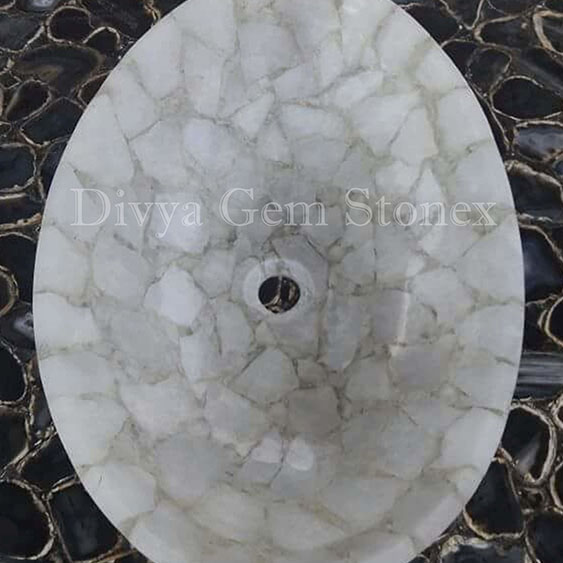
The Real Concern Behind the QuestionDivya Gem Stonex specialises in engineered and natural stone surfaces, and this is one of the most common questions they hear from buyers across India.Hard water is not a niche problem. Most of urban India deals with it — Chennai, Delhi, Ahmedabad, Jaipur, and dozens of other cities have water with high mineral content. Calcium and magnesium deposits build up on everything they touch: taps, tiles, glass, and yes, your basin too. So when someone is considering installing a quartz wash basin in their bathroom, the hesitation makes sense. Will the surface stain? Will it turn white and chalky over time? Is it even worth paying for engineered stone if hard water is going to ruin it in a year? The short answer is that quartz handles hard water better than most other basin materials. But the longer answer has some nuance worth understanding.
What Hard Water Actually Does to QuartzQuartz is non-porous. That is the key fact here. Unlike marble or granite, which have natural pores and microcracks where minerals and moisture can seep in, the surface of engineered quartz is sealed during manufacturing. Water sits on top of it rather than soaking in. Hard water deposits — those white, filmy patches you see around taps and drain edges — do form on quartz. But they form on the surface only. They do not penetrate the stone or cause permanent staining. A damp cloth or a non-acidic mineral remover clears them up without much effort. Compare that to marble, which hard water can etch permanently, or ceramic basins where mineral buildup tends to stick to rough micro-textures. Quartz is easier to clean and less likely to show lasting damage. Where Problems Do Come FromThe surface is not the issue. The cleaning routine usually is. When people see mineral buildup on their basin, the instinct is to scrub it off or use something strong — bleach, vinegar, or abrasive powders. That approach works once or twice but gradually scratches the polished finish. Over months, those scratches trap more grime, and the basin starts looking permanently dull. Acid-based cleaners are the main offender. Vinegar, lemon-based sprays, and some bathroom cleaners are acidic enough to slowly break down the resin that holds engineered quartz together. The stone itself may be fine, but the surface finish takes the damage. The right approach is simpler. Warm water and a few drops of mild dish soap take care of most everyday buildup. For stubborn hard water spots, a ph-neutral stone cleaner works without harming the finish. Wipe dry after cleaning, and the surface stays polished for years. Finish Type Makes a DifferenceNot all quartz surfaces behave the same way in hard water areas. The finish matters. Polished quartz shows water spots more visibly — you will see the chalky film clearly, but it also wipes off more easily because the smooth surface does not grip deposits. Honed or matte finishes are better at hiding day-to-day water marks, but mineral buildup can be harder to remove because the slightly textured surface gives it more to cling to. If you are in a particularly hard water city and want low maintenance, a polished finish with a regular wipe-down routine is probably the practical choice. Your installer or supplier should be able to walk you through the tradeoffs for your specific water type. Why Choose Divya Gem StonexDivya Gem Stonex does not just supply stone — they advise on it. When a buyer is choosing a basin for a hard water area, the team looks at the actual water conditions in that location, the finish options that make sense, and what the maintenance will realistically look like over time. That kind of specific guidance is hard to get from a showroom that sells everything from tiles to bathtubs. Stone is the focus here, and the depth of knowledge shows in how they help customers avoid costly mistakes before installation rather than after. In SummaryA quartz wash basin holds up well in hard water conditions, better than marble, better than most ceramics. The surface does not absorb minerals, so deposits stay superficial and clean off without damage. What causes lasting dullness is not the water — it is using the wrong cleaners on the surface over time. Pick the right finish for your habits. Use mild cleaners. Wipe it down regularly. That is genuinely all it takes to keep quartz looking the way it did on day one. FAQsWill hard water permanently stain a quartz basin? No. Because quartz is non-porous, mineral deposits from hard water sit on the surface and do not soak in. They can be cleaned off with a ph-neutral cleaner or even a damp cloth in most cases. Can I use vinegar to remove hard water stains from quartz? It is better to avoid vinegar on quartz. The acidity can break down the resin in the surface finish over time. Use a stone-safe mineral remover instead — it does the same job without the risk. Which quartz finish is best for hard water areas? Polished finishes tend to be easier to wipe clean because the smooth surface does not grip deposits. Matte finishes hide spots better visually but may need slightly more effort to clean thoroughly. How often do I need to clean a quartz basin in a hard water city? A quick wipe with a damp cloth after use is enough for daily maintenance. A proper clean with mild soap once or twice a week keeps mineral buildup from accumulating to the point where it needs real effort to remove. Is quartz better than marble for hard water bathrooms? Yes, for this specific concern. Hard water can etch marble permanently because the stone is softer and porous. Quartz does not etch in the same way, which makes it the more practical choice in areas with high mineral content in the water supply. | |