Achieving a balanced and natural-looking nose is one of the most important goals of cosmetic nasal surgery. Patients often seek rhinoplasty not only to enhance their appearance but also to correct asymmetry caused by genetics, injury, or previous procedures. In modern cosmetic practices, precision and planning play a crucial role in delivering symmetrical outcomes. Many patients exploring Rhinoplasty in Islamabad are particularly interested in how surgeons maintain harmony between facial features while reshaping the nose.
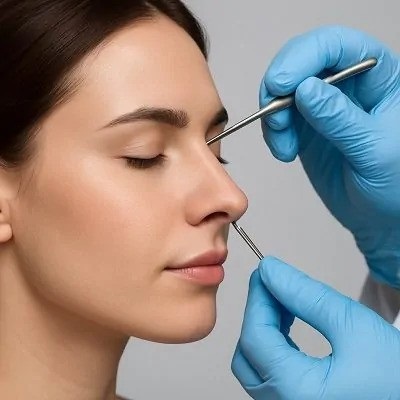
What Does Symmetry Mean in Rhinoplasty?
Symmetry in rhinoplasty does not necessarily mean creating a perfectly identical structure on both sides of the nose. Instead, it refers to achieving balance and proportion in relation to the entire face. Human faces are naturally asymmetrical, so the goal is to create a nose that appears harmonious rather than artificially perfect.Surgeons evaluate facial proportions, including the eyes, lips, chin, and cheekbones, to determine how the nose should be shaped. Even small adjustments can significantly impact overall facial balance. Therefore, symmetry in rhinoplasty is more about aesthetic harmony than mathematical precision.
How Do Surgeons Plan for Symmetry Before Surgery?
Pre-surgical planning is one of the most critical steps in ensuring symmetry. Surgeons use a combination of physical examination, imaging technology, and patient consultation to map out the procedure.Advanced tools like 3D imaging and digital simulations allow surgeons to visualize the expected results before surgery begins. These tools help both the surgeon and the patient understand what changes will be made and how they will affect facial balance.Additionally, surgeons analyze nasal structure, skin thickness, cartilage strength, and any deviations in the septum. By identifying asymmetries beforehand, they can develop a customized surgical plan tailored to the patient’s anatomy.
What Techniques Are Used During Surgery to Maintain Symmetry?
During rhinoplasty, surgeons rely on several precise techniques to ensure balanced results. These include:
Cartilage reshaping and grafting: Cartilage is carefully sculpted or added to correct uneven areas.
Osteotomy (bone adjustment): Controlled cuts in the nasal bones allow repositioning for better alignment.
Suture techniques: Specialized stitches help maintain structure and symmetry over time.
Septoplasty (if needed): Correcting a deviated septum improves both function and appearance.
Surgeons continuously assess the nose from multiple angles during the procedure. They often make small, incremental adjustments rather than drastic changes, ensuring that both sides of the nose remain balanced.
How Important Is Surgeon Experience in Achieving Symmetry?
Experience plays a major role in achieving symmetrical results. Rhinoplasty is considered one of the most complex cosmetic procedures because it requires both technical skill and artistic judgment.An experienced surgeon understands how different nasal structures respond to surgical changes. They can anticipate how tissues will heal and adjust their techniques accordingly. This expertise helps minimize the risk of post-surgical asymmetry.Moreover, skilled surgeons are trained to recognize subtle differences that may not be obvious to the untrained eye. Their ability to combine science with aesthetics is what ultimately leads to natural-looking results.
How Do Surgeons Handle Pre-Existing Nasal Asymmetry?
Pre-existing asymmetry is very common, and addressing it requires a tailored approach. Surgeons first identify the root cause of the imbalance, which could be due to bone structure, cartilage irregularities, or previous trauma.
They may use grafts to build up weaker areas or reshape existing structures to create better alignment. In some cases, complete symmetry may not be achievable, but significant improvement is almost always possible.The goal is to create a nose that looks balanced within the context of the patient’s face, even if minor asymmetries remain.
What Role Does Healing Play in Final Symmetry?
Healing is a crucial phase that directly affects the final outcome. After surgery, swelling can make the nose appear uneven, especially in the first few weeks. This is completely normal and gradually subsides over time.Surgeons often provide detailed aftercare instructions to support proper healing. These may include avoiding pressure on the nose, sleeping in an elevated position, and attending follow-up appointments.It can take up to a year for the nose to fully settle into its final shape. Patience is essential, as the true symmetry becomes more apparent as swelling decreases.
Quick Facts About Symmetry in Rhinoplasty
| Aspect | Details |
|---|
| Goal | Facial balance, not perfect symmetry |
| Planning Tools | 3D imaging, digital simulations, facial analysis |
| Surgical Techniques | Cartilage grafting, osteotomy, suturing, septoplasty |
| Healing Time | Initial swelling: 2–4 weeks; final results: up to 12 months |
| Role of Surgeon | Critical for precision, aesthetic judgment, and long-term results |
Can Technology Improve Symmetry Outcomes?
Yes, modern technology has significantly improved the accuracy of rhinoplasty procedures. Tools such as computer-assisted design and intraoperative imaging allow surgeons to make more precise adjustments.3D simulations help patients visualize potential outcomes, ensuring better communication between the patient and surgeon. This reduces misunderstandings and aligns expectations with achievable results.While technology enhances precision, it is still the surgeon’s expertise that determines the final outcome.
Conclusion
Ensuring symmetry in rhinoplasty is a complex process that combines advanced technology, meticulous planning, and surgical expertise. From pre-operative analysis to post-surgical healing, every step plays a vital role in achieving balanced and natural-looking results.Patients considering rhinoplasty should understand that perfect symmetry is not always the goal. Instead, the focus is on creating harmony between facial features. By choosing an experienced surgeon and following proper aftercare, patients can achieve highly satisfying and aesthetically pleasing outcomes.
Contact Us
If you are considering rhinoplasty and want expert guidance on achieving facial symmetry, our team is here to help. We offer personalized consultations, advanced surgical techniques, and comprehensive aftercare to ensure the best possible results.Get in touch with us today to schedule your consultation and take the first step toward a more balanced and confident appearance.